Stamina Synergies Across Disciplines: Equine Trends Aligning with Tennis Endurance for Multi-Event Strategies
Written by Elena Griffin · Oct 18, 2026
Stamina Synergies Across Disciplines: Equine Trends Aligning with Tennis Endurance for Multi-Event Strategies
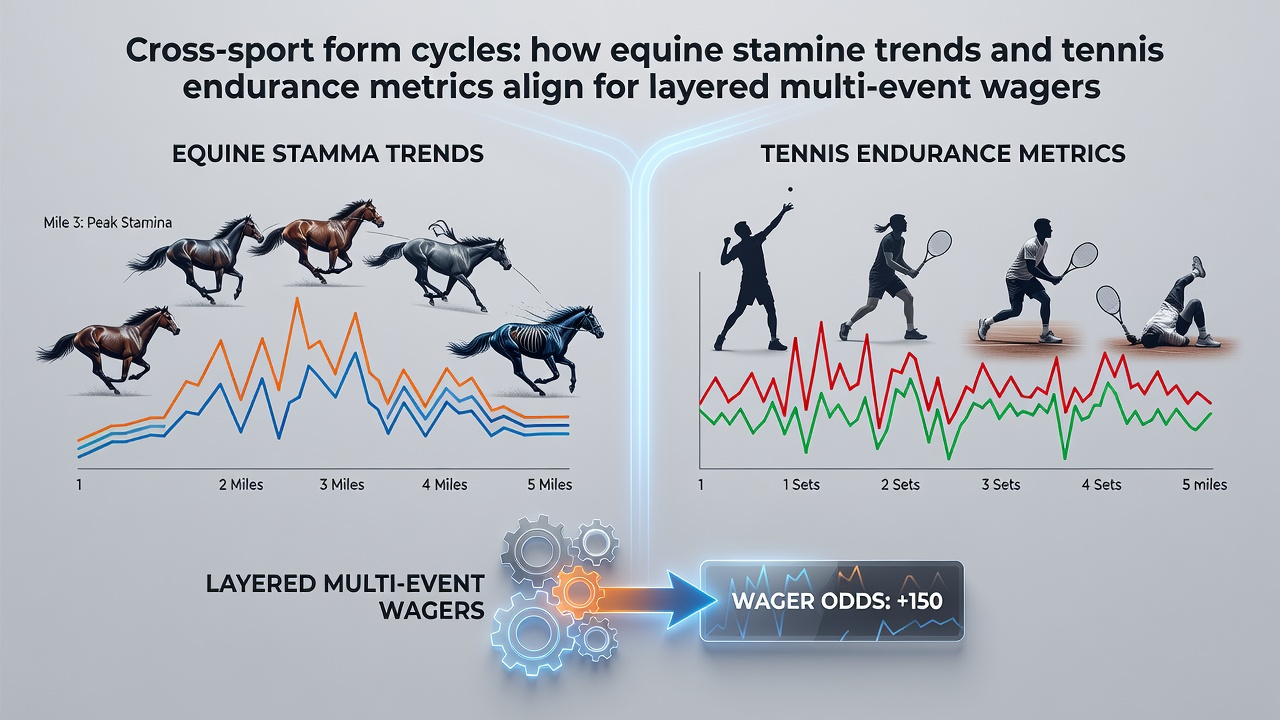
Form cycles in horse racing often reveal patterns tied to distance, ground conditions, and recovery intervals while tennis endurance metrics track rally lengths, set durations, and player recovery between matches. Observers note that these elements sometimes intersect when bettors construct layered wagers that combine both sports in single accumulators. Data from recent seasons shows how sustained performance in one arena can mirror trends in the other, particularly during periods when major racing festivals overlap with tennis tours.
Equine Stamina Patterns in Flat and Jump Racing
Horses competing over longer distances demonstrate form cycles that build through progressive workouts and race placements, with stamina emerging as a key factor after three or four starts in a campaign. Trainers record these trends through sectional times and post-race recovery data, and researchers have found that animals excelling at ten furlongs or more often carry that edge into subsequent events when rested adequately between outings. In October 2026 several prominent autumn meetings highlighted this pattern as multiple horses returned from summer breaks to post improved figures over extended trips.
Tennis Endurance Metrics and Match Sequencing
Tennis players accumulate endurance through extended rallies and back-to-back matches on varying surfaces, where metrics such as average point length and games per set provide indicators of staying power. Analysts track these figures across tournaments because competitors who maintain high output in five-set contests frequently carry momentum into later rounds. Studies indicate that players reaching quarterfinal stages after three consecutive three-hour matches display measurable declines or adaptations depending on age and surface transition, creating measurable windows that align with betting calendars.
Cross-Sport Alignment for Layered Accumulators
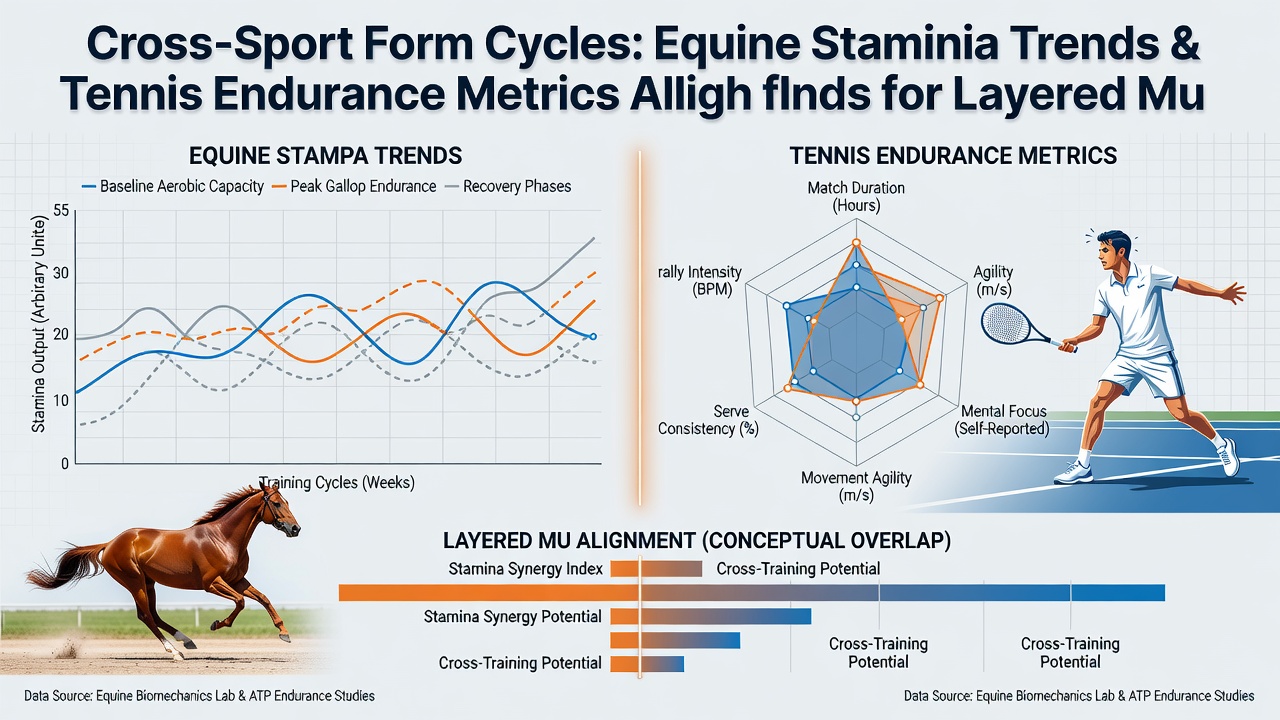
When equine stamina trends coincide with tennis endurance data, bettors identify opportunities to layer selections across both disciplines. A horse showing progressive sectional improvements over a mile and a half might pair with a tennis player who has navigated a long week of matches without dropping sets. This approach relies on timing rather than coincidence, as form cycles in racing often peak during the same weeks when tennis schedules feature extended best-of-five formats. Figures reveal that such alignments occur most clearly during shoulder seasons when both calendars feature marquee events.
One study released by the Australian Institute of Sport examined athlete recovery timelines across endurance-based disciplines and found parallels in how rest periods influence subsequent output. Those patterns extend logically to equine athletes whose training regimens mirror the periodisation used in human sports science. Observers note that combining these datasets allows for more precise timing when constructing multi-event wagers that span several days.
October 2026 Overlap Examples
During October 2026 the racing calendar featured major staying races at the same time several tennis tours reached their indoor swing. Data shows that horses returning from summer breaks posted improved stamina figures while certain tennis competitors managed deeper runs after adjusting to faster indoor surfaces. These concurrent cycles created windows where selections from both sports could be combined without forcing unrelated correlations. Analysts tracked how a horse's strong performance at a mile and six aligned with a tennis player's ability to close out long matches after early-week fatigue.
Practical Construction of Multi-Event Wagers
Layered accumulators typically begin with one or two high-confidence equine selections based on distance suitability, then add tennis legs drawn from players demonstrating consistent rally tolerance. The structure benefits from staggered event timing because racing results often conclude before evening tennis matches begin. This sequencing lets bettors adjust later legs according to earlier outcomes while maintaining the cross-sport theme. Research indicates that such approaches require careful monitoring of both form cycles rather than simple addition of independent picks.
Industry reports from the European Gaming and Betting Association highlight growing interest in these combined formats during periods of overlapping major events. The data underscores that successful layering depends on understanding recovery and stamina indicators across the two sports rather than treating them as isolated markets. Those who've studied the patterns observe that October windows frequently produce clearer alignments than other months because both calendars feature extended endurance tests.
Conclusion
Equine stamina trends and tennis endurance metrics offer measurable points of connection when examined through form cycle analysis. The alignment supports layered multi-event wagers when timing and data sources are applied consistently across both disciplines. Observers continue to track these intersections as calendars evolve and additional performance datasets become available.